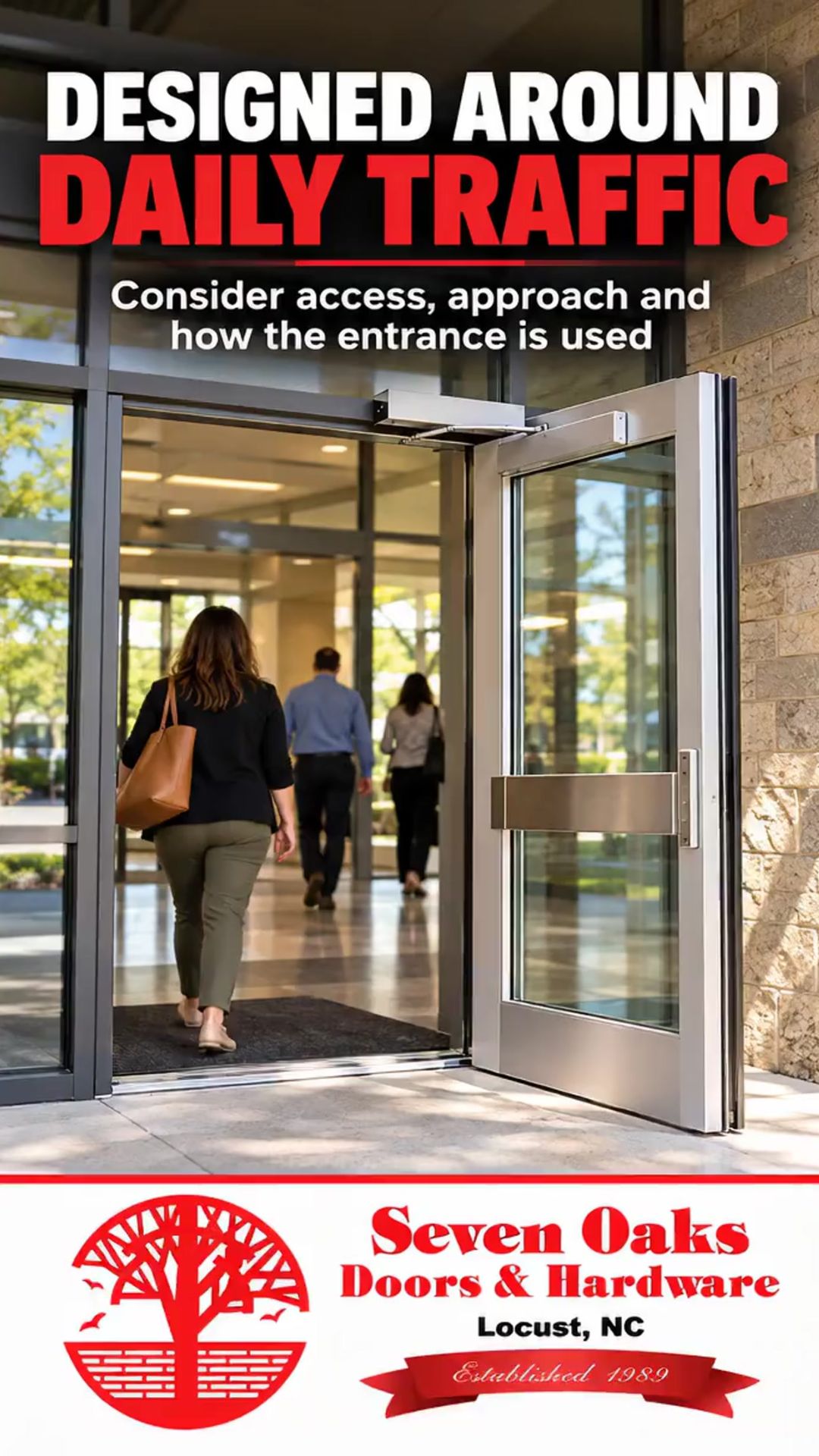
In a multi-tenant building, one entrance may serve tenants, visitors, delivery personnel, and property staff. Other doors may lead to stairwells, management offices, storage, or mechanical spaces. Planning commercial doors for multi-tenant buildings starts with...

Knock-Down vs. Welded Commercial Door Frames
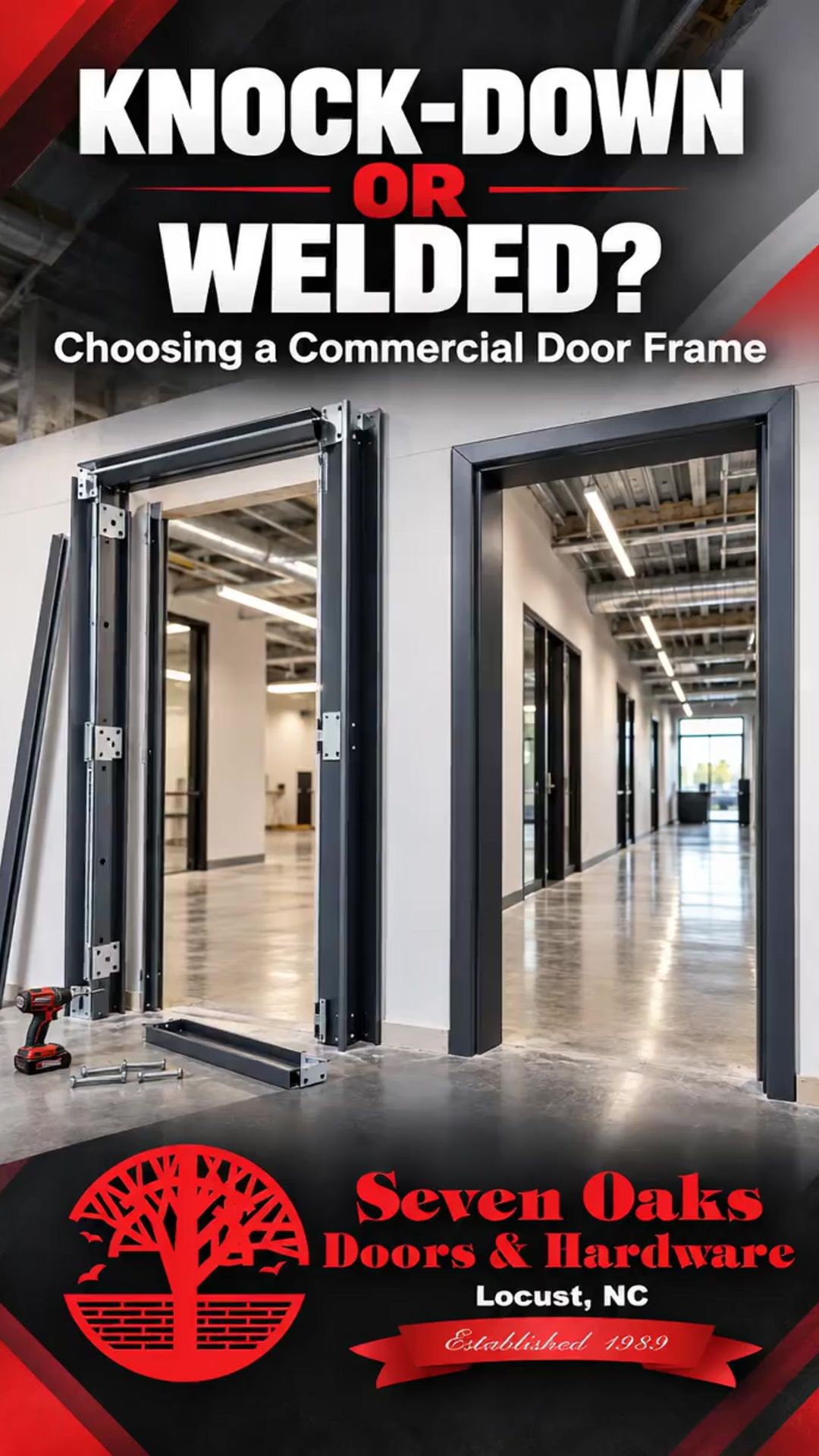
When planning a commercial door project, the frame needs to fit the opening, wall construction, and installation sequence. Two common steel frame options are knock-down (KD) and welded frames. Understanding how they differ can help facility managers, contractors, and...
Phased Commercial Door Replacement Planning
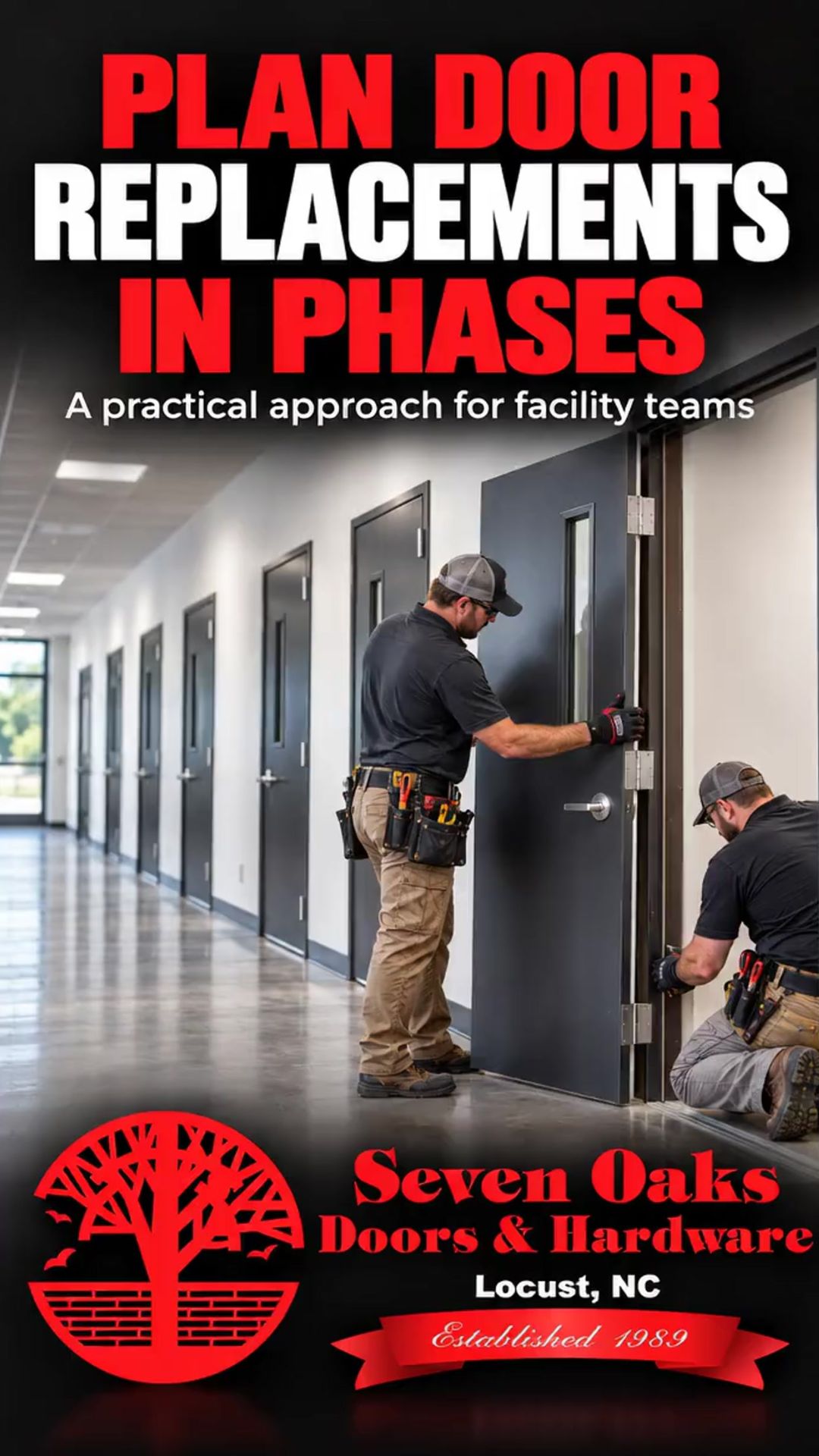
Replacing several commercial doors does not always need to happen at once. A phased commercial door replacement plan can help facility managers organize the work, coordinate schedules, and account for how each opening supports daily operations. Start with an inventory...
Commercial Door Key Control During Building Renovations: What Facility Managers Should Plan
Building renovations can change how people move through and use a facility. Offices may relocate, departments may change, and contractors may need temporary access to work areas. When a project includes new doors, locks, or other hardware, facility managers should...
Planning an Automatic Door Operator Retrofit for an Existing Commercial Entrance
An automatic door operator can make a commercial entrance easier to use, but adding one to an existing doorway takes more planning than choosing a push button. The door, frame, hardware, traffic patterns, and surrounding space all affect which solution may fit....
Commercial Door Rust and Corrosion: When Repair or Replacement Is Needed
Commercial Door Rust and Corrosion: When Repair or Replacement Is Needed Commercial metal doors are designed for years of dependable service, but even durable steel doors and frames can develop rust and corrosion. Exposure to rain, humidity, cleaning chemicals, and...