Building renovations can change how people move through and use a facility. Offices may relocate, departments may change, and contractors may need temporary access to work areas. When a project includes new doors, locks, or other hardware, facility managers should...

Commercial Door Handing and Swing: How to Identify the Correct Configuration
When replacing a commercial door or ordering new hardware, it helps to know which way the door is handed and how it swings. These details affect the door, frame, hinges, lock, closer, and other hardware. If the handing is unclear, a quick description may not be enough...
Planning an Automatic Door Operator Retrofit for an Existing Commercial Entrance
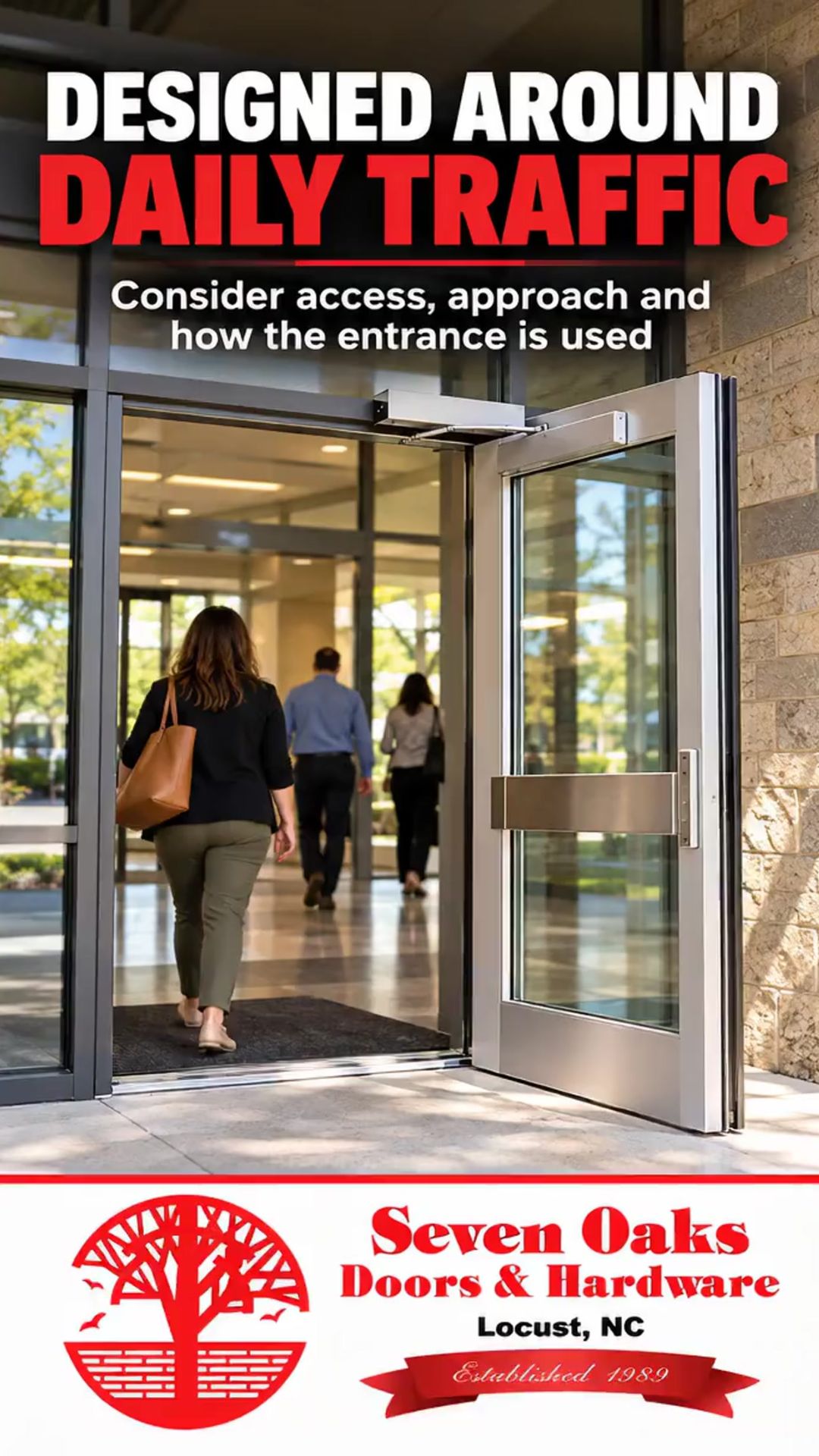
An automatic door operator can make a commercial entrance easier to use, but adding one to an existing doorway takes more planning than choosing a push button. The door, frame, hardware, traffic patterns, and surrounding space all affect which solution may fit....
Commercial Door Rust and Corrosion: When Repair or Replacement Is Needed
Commercial Door Rust and Corrosion: When Repair or Replacement Is Needed Commercial metal doors are designed for years of dependable service, but even durable steel doors and frames can develop rust and corrosion. Exposure to rain, humidity, cleaning chemicals, and...
Planning Commercial Door Installation in an Occupied Facility
Replacing or installing commercial doors while a building remains open takes more than choosing a product and setting an installation date. Schools, offices, healthcare facilities, churches, and manufacturing sites all have daily routines that depend on safe, reliable...
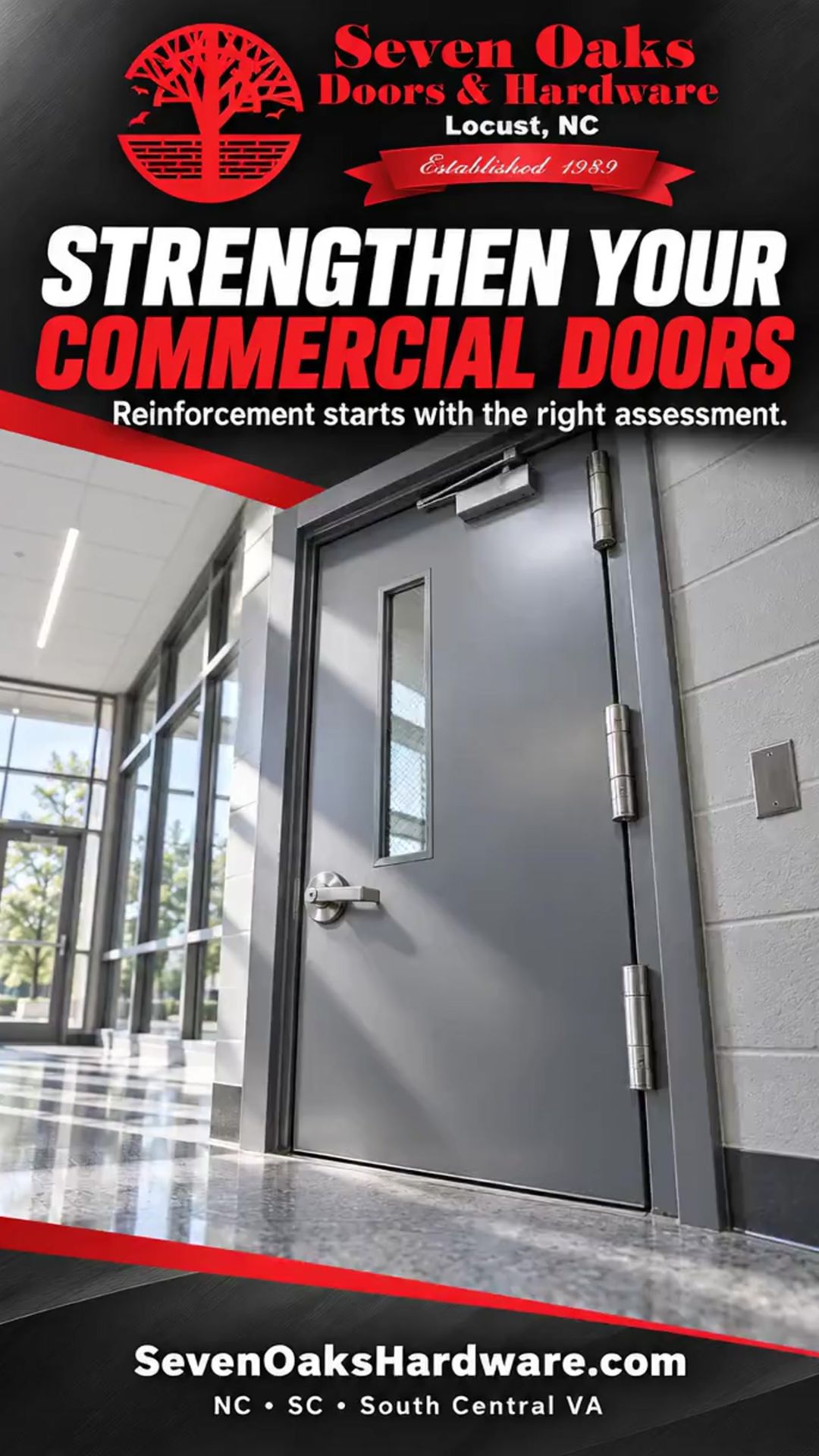
Commercial Door Reinforcement: Strengthening Existing Doors and Hardware
Commercial doors work hard every day. In schools, healthcare facilities, churches, offices, and manufacturing buildings, repeated use puts stress on hinges, locks, closers, and the surrounding door structure. When hardware loosens or mounting areas begin to...